Social media marketing is the different strategies and methods companies employ to interact with their audience on various social networks. With 94.5 percent of internet users using social media every month, according to DataReportal, it’s evident that these platforms are the most popular in the marketing landscape on the internet.
Social media has emerged as a crucial channel for businesses to reach out to the public, create brand awareness, and boost conversions. In the words of Pete Cashmore, aptly put, “We’re living at a time when attention is the new currency.” From organic posts and influencer collaborations to paid advertisements and community building, each has a distinct role to play in shaping online presence while simultaneously engaging audiences across a variety of platforms.
The efficacy of these strategies usually depends on the direction in which users are directed. A landing page that is well-matched will turn social interaction into tangible results by creating leads or generating sales. Understanding how the various social media marketing techniques operate and how they work with your overall digital strategy is crucial to creating campaigns that have an impact. Learn more about the main 8 types and ways to apply them efficiently.
Table of Contents
What is Social Media Marketing?
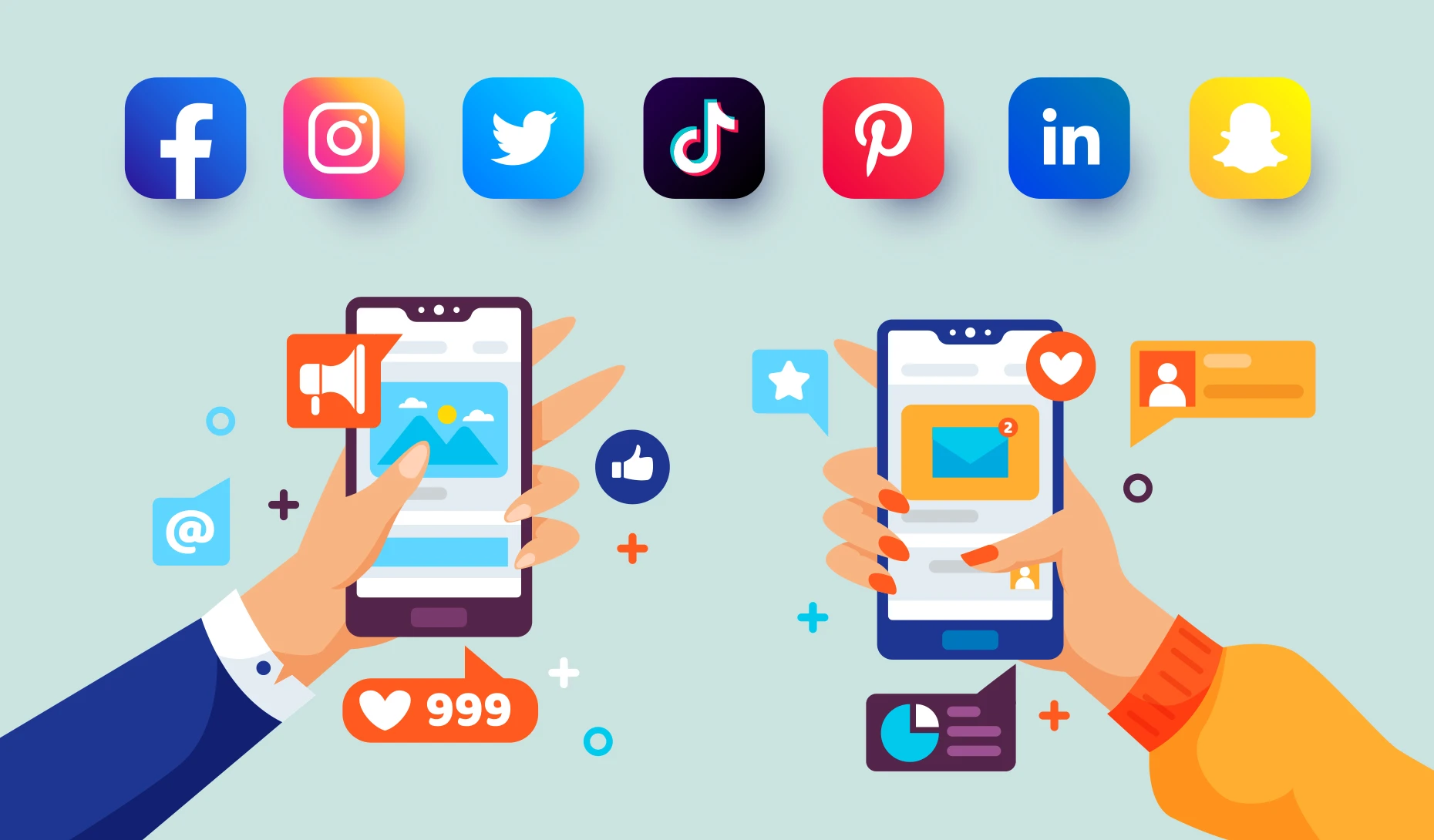
social media marketing is the act of making use of social media platforms such as Facebook, Instagram, LinkedIn, TikTok, and Pinterest to engage with the target users, advertise products, and increase visibility of brands. It is the process of creating content for specific platforms including posts, ads or videos that is a hit with users and increases engagement, traffic to websites and conversions. Each platform provides unique tools that can be used to meet different goals in marketing, including lead generation, building communities or expanding the reach of your business.
What Are The Different Types of Social Media Marketing?
Social media marketing comes in a variety of kinds, each one suitable for different purposes The most commonly used kinds include natural content marketing, influencer marketing paid advertising, video marketing and even social commerce. Each has its own function within a larger strategy for social media marketing and is geared towards different objectives and the behavior of audiences. Knowing their differences and the application across different social media platforms is vital.
Organic content helps build trust by providing constant, quality content that connects with your targeted viewers in time. Influencer marketing makes use of credible voices to create rapid recognition and engagement. Paid advertisements provide specific targeting and tangible outcomes, which is ideal for increasing sales or reach video marketing is captivating by telling stories, whether that’s TikTok videos and YouTube tutorials. A distinct place for social media in marketing is online commerce. This makes buying by letting users buy directly from the content. When combined, these tools provide a scalable toolkit for any kind of marketing strategy.
8 Common Social Media Marketing Types and Methods
Social media marketing can be found in many forms, including influencer marketing and content to contests, advertisements and even social commerce. Every method aids brands in connecting with their audiences, improve engagement, or boost sales. Through organic posts or shopping in-app there’s a plan that works for each platform.
Let’s look at 8 of the commonly used strategies and learn how to apply these efficiently.
1. Content Marketing (Organic Posts)
Social media posts helps build trust with the audience through the constant sharing of useful or engaging content. It’s usually the foundation of a company’s social media marketing strategies. Platforms such as Instagram, Facebook, LinkedIn and Pinterest excel at this.
For instance, a small bakery may post pictures of its latest products on Instagram or showcase its local-sourced ingredients. A B2B firm using LinkedIn could share insights from the industry or whitepapers. Regular interaction via stories and comments keeps the brand accessible and easily recognizable.
This approach is built on the consistency and relevancy. If content is helpful or believable, readers tend to remain engaged and stay.
2. Influencer Marketing
Influencer marketing is the new word-of mouth – it makes use of reliable voices to advertise products based on real-world reviews and use. Brands partner with those with loyal followers and a significant social media profiles (whether celebrities or niche experts, as well as micro-influencers) to boost the engagement and increase trust.
A fitness company such as a gym, for example, may partner with a popular trainer who demonstrates workouts while wearing their equipment. On YouTube tech influencers frequently upload unboxing videos or reviews which help customers make an informed decision – particularly for expensive items.
In this strategy of social media authenticity is crucial. The endorsement should be authentic and not scripted. If executed properly influencer marketing campaigns increase visibility and establish trust by reaching viewers by introducing them to people they already know and trust.
3. Video Marketing
Video is among the most effective methods to grab attention and convey an engaging brand story. It doesn’t matter if it’s a short TikTok or a lengthy YouTube tutorial video content is created to educate, entertain, and entice.
A skincare brand could share brief TikToks that show the results of their products or even create YouTube videos that explain the routines for skincare. Sessions that live are available on Instagram or Facebook provide real-time interaction the opportunity for brands to demo their products, announce new items or respond to questions directly.
Video creates emotional connections and increases brand recognition. With powerful images and clear message, it is able to turn ordinary viewers into faithful followers.
4. Social Media Advertising
Paid ads on different social media platforms such as Facebook, Instagram, and LinkedIn can provide specific targeting based upon locations, interests, and behaviour, allowing brands to reach the right people at the right moment.
For instance, a travel agency such as a travel agent could make use of Instagram carousels to promote locations for beach vacations with the caption “Plan your perfect summer getaway.” Clicking on the ad will take users to a page where they can reserve trips. Similar to retargeting, ads could re-engage customers who have had abandoned their shopping carts – for example, showing potential buyers the exact shoes they did not purchase.
Social media advertisements are efficient to generate quick results and increasing reach. With built-in analytics, companies can evaluate, improve, and optimize results in real time.
5. Social Media Contests and Giveaways
Contests and giveaways can encourage users of social media to participate by providing a reward in exchange for a few simple actions like joining your page, sharing with friends or sharing an article.
Imagine a brand of coffee which asks its followers to share photos of their top moments in coffee for the chance to be the winner of one year’s supply. It not only increases participation but also creates user-generated content. A SaaS firm might provide free access to users who share their promotional posts and tag three friends which can help expand the audience reach naturally.
Effective giveaways can increase brand awareness build momentum, and frequently turn winners into loyal clients.
6. User-Generated Content
UGC (user-generated) content (UGC) enhances authenticity by allowing users to talk about their personal stories about your business.
Coca-Cola’s “Share a Coke” campaign is a great example bottles that were personalized with names enticed customers to share pictures, resulting in social media engagement. In a smaller way local gym could invite members to share selfies of their workout using a brand hashtag such as #FitnessWithUs. If brands share these photos, they highlight the real-life customers and increases confidence.
The digital marketing method converts your audience into marketers, increasing participation and, ultimately, creating a feeling of belonging to your company.
7. Social Media Commerce
Social commerce allows customers to purchase directly from these social platforms. Instagram, Pinterest, and Facebook have features like shopspable posts. Users can click on items within a post to buy it instantly without having to exit the social media application.
Fashion brands can include each item in an image with prices and links to shops, letting users purchase items on a single click. On Pinterest boards, the boards that are curated could showcase fashion trends with specific “Shop Now” links.
In reducing friction during the buying experience Social commerce improves conversion rates and speeds the process of making a decision.
8. Social Networking and Community Management
This kind of online marketing via social media involves building relationships by engaging in two-way dialogues and creating opportunities to engage.
Software companies could have an LinkedIn group in which developers can offer their insights and can ask questions, allowing the brand to keep its credibility and visibility. Food companies could utilize an Facebook Group to bring together homeowners to swap recipes using their products.
Strong communities boost loyalty, increase engagement, and transform casual users to brand ambassadors.
How Do Landing Pages Integrate With Different Social Media Marketing Types?
Landing pages play an essential part in marketing via social media in that they convert clicking into action. They help bridge the gap between social media and the specific goals for marketing. This is because landing pages offer the user with a specific space to accomplish a task, whether it’s signing up for a service, buying something or finding out more after they’ve engaged with your social media content.
Each aspect in social media-related marketing profit when paired with landing pages designed well to ensure a seamless transition from the social media platform to the desired goal.
For instance, a paid Instagram advertisement for a seasonal sale could result in an online landing page that showcases products on sale with a distinct “Buy Now” button. A review by an influencer on YouTube review could lead to a webpage that provides additional information about the product and an offer. In contests, landing pages function as entry hubs for users to complete forms or share the contest. Campaigns with user-generated content could drive visitors to a gallery-style site with content submitted by the community.