
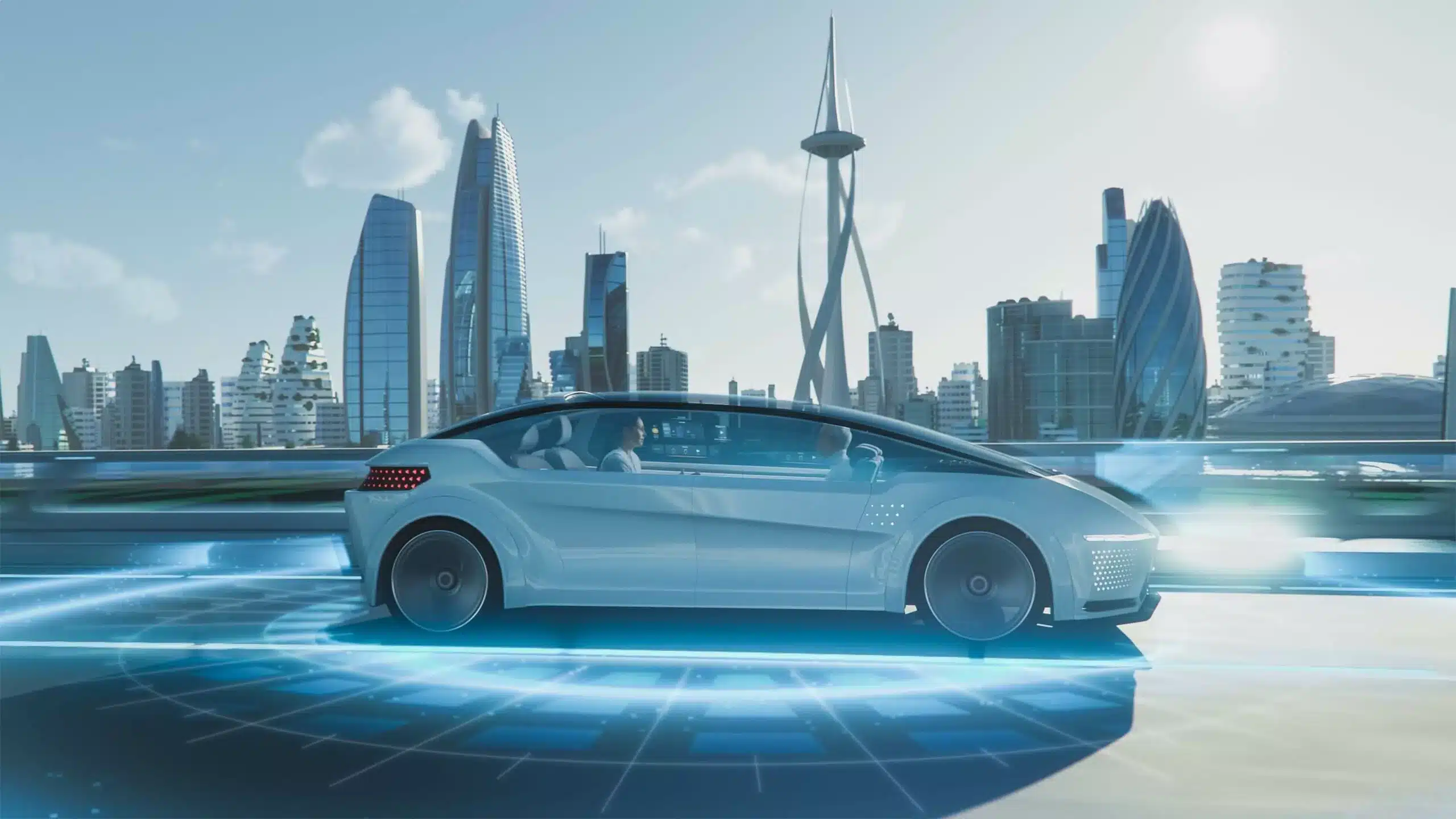
Autonomous vehicles, which were once an unrealized dream of science fiction but are now a real possibility that is changing the nature of transportation. The self-driving vehicles, which are equipped with the latest technologies, such as sensors and artificial intelligence, have the potential to transform our travel experience. This blog will explore the progress, state of play, as well as the challenges and future of autonomous cars.
Table of Contents
Evolution of Autonomous Vehicles
The road to autonomous vehicles started with the creation of driver aid systems, like cruise control, around the middle of the 20th century. Through the years, advances in computer power, machine learning, and sensor technologies have led to rapid advancement. The 21st century saw the development of fully autonomous vehicles, as well as major tech and automotive companies jumping on board for self-driving cars on the market.
Current State of Autonomous Vehicles
Today, autonomous vehicles are undergoing extensive tests in a variety of situations in the real world. Companies such as Tesla, Waymo, and Uber have integrated semi-autonomous capabilities in their vehicles, which allow for functions such as adaptive cruise control, lane-keeping, and more. However, the goal of achieving complete autonomy, which means that vehicles can function completely without human intervention regardless of the conditions, is an arduous task.
The Society of Automotive Engineers (SAE) has established levels of automation that range from Level zero (no automation) through five levels (full automation). The majority of commercially available autonomous vehicles are currently classified as Level 2 or Level 3, which means that certain driving tasks are automated; however, humans are still required.
Challenges in Autonomous Vehicle Development
Despite impressive progress, many issues hinder the widespread use of autonomous cars. One of the biggest obstacles is the need for durable and reliable sensor technology. Autonomous vehicles depend on cameras, lidar, radar, as well as other sensors to assess their surroundings. Weather conditions that are hazardous, complicated traffic scenarios, as well as the detection of unexpected obstacles present major challenges that need to be tackled to ensure the safety of deployment.
Another issue of issue is the legal and ethical system that surrounds autonomous vehicles. The issue of the liability of autonomous vehicles in case of an accident, the moral algorithmic decision-making process for self-driving machines, and the regulatory framework are complicated issues that require attentive consideration and international collaboration.
Cybersecurity is a further pressing problem. The integration of connectivity functions in autonomous vehicles puts them at risk of cyber threats that could threaten and raises questions about the security and security of passengers.
Impact on Society
Autonomous vehicles could be able to create transformative changes across a variety of areas of our society. One of the biggest consequences is that they impact road safety. Human error contributes to the majority of road accidents, and autonomous vehicles, because of their ability to react quickly and in a manner that is not distracted, can drastically reduce the risk of accidents.
The growth of autonomous ride-sharing services may be a catalyst for changes in the ownership and use of automobiles. Instead of having a car, people could opt for automated transportation on demand, reducing the number of vehicles in the roadway and easing traffic congestion.
In addition, the accessibility of transportation for those who are disabled or old could be enhanced by autonomous vehicles. The self-driving technology could be able to offer new levels of autonomy to those facing difficulties with mobility.
Future Prospects
In the near future, the prospect of autonomous cars is a mixture of both excitement and fear. The constant advancement in technology, the increased collaboration among industry players, and ongoing research could lead to more technological advancements in autonomous driving capabilities.
The integration of 5G technology is expected to enhance vehicle-to-everything (V2X) communication, enabling autonomous vehicles to communicate with each other and with the surrounding infrastructure in real time. This will lead to better traffic flow, increased safety, and efficiently-run transportation networks.
But the path towards full autonomy is filled with obstacles, and getting over these will require coordinated efforts from the auto sector, policymakers, as well as the general public. Finding the perfect balance between innovation and security and establishing clear regulations, and addressing ethical concerns are crucial to shaping the future of autonomous vehicles.
Autonomous vehicles are a revolutionary technological advancement that could be used to revolutionize how we travel. Although significant advances have been made, there are still challenges in achieving widespread acceptance. As we move through this new era, an approach that includes technological innovation along with regulatory development and acceptance by the public is essential. The development of autonomous vehicles isn’t only a technological development, but a societal change that requires careful planning to fully harness the potential of this groundbreaking technology.