
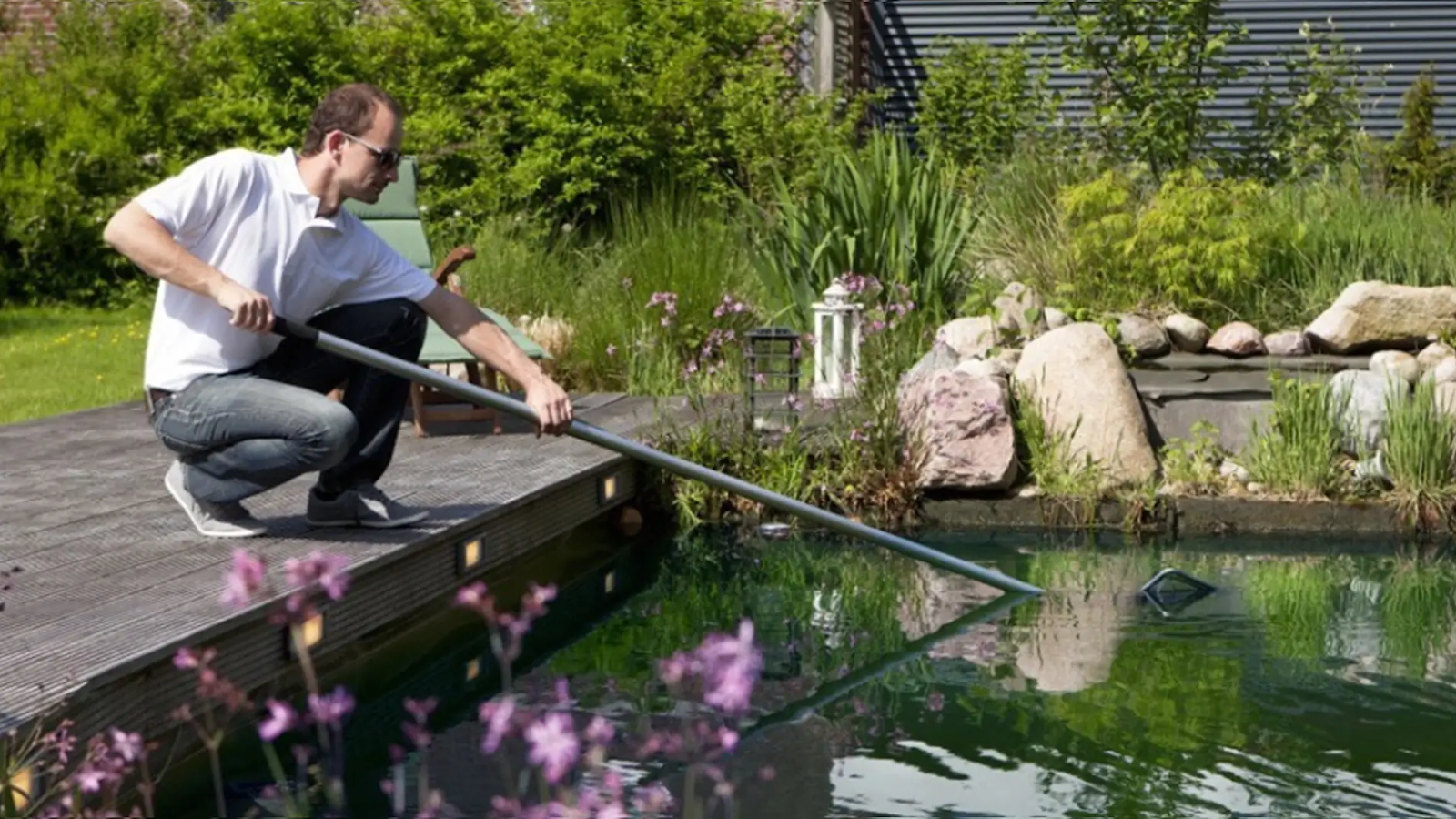
Ponds are beautiful features in gardens, parks, and natural landscapes. They provide a peaceful environment, support wildlife, and even help with water management. Over time, however, ponds can face problems such as pollution, excessive algae growth, and sediment buildup. These issues make the water unhealthy and reduce the pond’s natural beauty.
Pond remediation is a process that restores a pond to its original healthy state. By cleaning, treating, and maintaining the pond, this process brings many benefits for both the environment and the people enjoying the area.
Improved Water Quality
One of the biggest advantages of pond remediation is improved water quality. Pollutants such as chemicals, excess nutrients, and waste can build up over time, making the water unsafe for fish and plants. Remediation removes these harmful substances and restores the pond’s natural balance.
As a result, the water becomes clearer, fresher, and safer for aquatic life. This also makes the pond more enjoyable for recreational activities such as fishing, boating, or simply enjoying the view. Clear and clean water can even prevent bad smells that often come from neglected ponds.
Enhanced Wildlife Habitat
Pond remediation helps create a healthier environment for wildlife. Fish, frogs, birds, and insects all depend on clean water and well-maintained surroundings. By removing invasive plants and controlling algae growth, the pond becomes a welcoming home for native species.
Improved oxygen levels and balanced nutrients support the growth of aquatic plants, which provide food and shelter for animals. This leads to a more diverse and vibrant ecosystem. People visiting the pond can also experience the beauty of wildlife, which enhances the natural appeal of the area.
Reduced Risk of Flooding
Proper pond remediation can help reduce the risk of flooding in surrounding areas. Over time, sediments and debris can block water flow, causing the pond to overflow during heavy rain. Remediation clears these obstructions and restores the pond’s capacity to hold water efficiently.
This not only protects nearby land and properties from damage but also ensures that the pond functions as a natural water management system. By controlling water levels, remediation makes the area safer and reduces the chances of erosion along the pond’s banks.
Aesthetic Improvement
Ponds can lose their beauty if they become overgrown with algae, weeds, or debris. Remediation transforms the pond into a visually appealing feature by cleaning the water and restoring its natural shape. Healthy aquatic plants and clear water create a scenic environment that attracts visitors and enhances the overall landscape.
This improvement can also increase property value and provide a peaceful retreat for people seeking relaxation. A well-maintained pond becomes a source of pride for communities or property owners.
Long-Term Cost Savings
Investing in pond remediation can save money in the long term. Neglected ponds often require expensive repairs or complete reconstruction due to severe damage or pollution. Regular remediation prevents these problems by maintaining the pond’s health and structure.
It also reduces the need for chemical treatments, excessive pumping, or constant cleaning. By addressing issues early, pond owners can avoid high costs while ensuring a sustainable and thriving water feature for years to come.
Conclusion
Pond remediation offers many important benefits, from improving water quality and supporting wildlife to reducing flooding risks and enhancing aesthetics. It also provides long-term savings by preventing costly damage.
Maintaining a healthy pond creates a safe, beautiful, and enjoyable environment for both nature and people. Taking care of ponds through remediation ensures that these water features continue to serve their ecological and recreational purposes effectively.