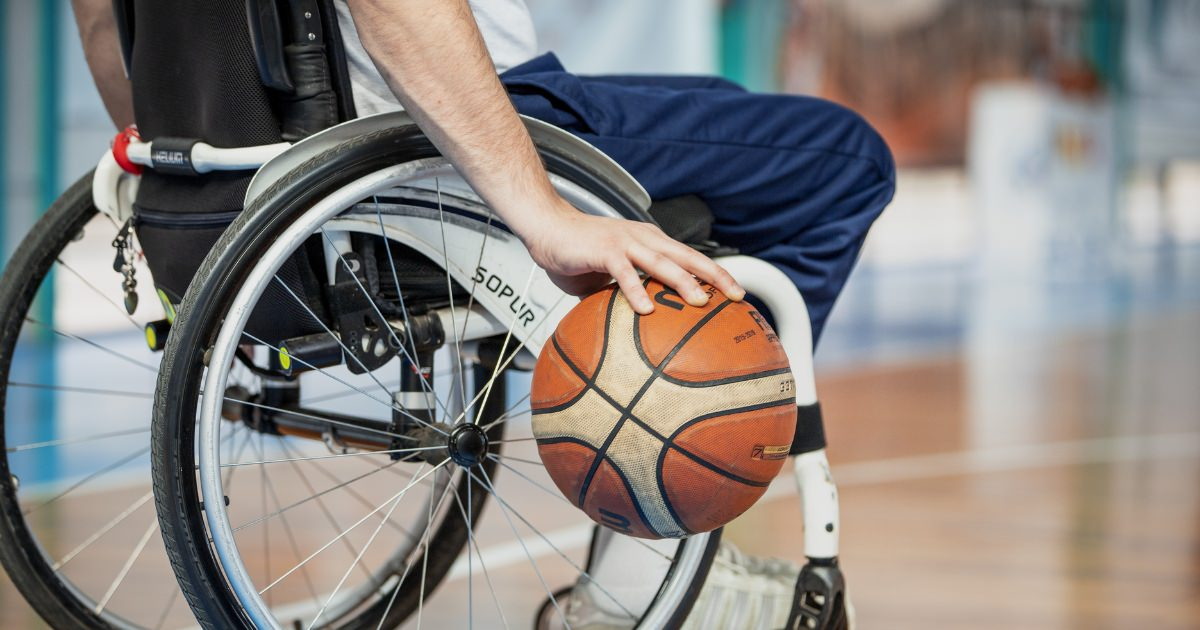
Adaptive sports programs are specially designed for people with physical, cognitive, or sensory disabilities. These programs allow participants to enjoy sports and physical activities in ways that fit their abilities. More than just exercise, adaptive sports give individuals a chance to grow, build confidence, and connect with others.
They create an environment where everyone can participate, compete, and have fun. These programs are becoming more popular worldwide because they improve health, independence, and overall well-being. In this article, we will explore five major advantages of adaptive sports programs.
Improved Physical Health
One of the most obvious benefits of adaptive sports program is improved physical health. Participating in sports helps people strengthen their muscles, increase flexibility, and improve overall endurance. Regular physical activity also reduces the risk of chronic illnesses such as heart disease, diabetes, and obesity.
Adaptive sports give individuals the opportunity to engage in exercises tailored to their needs, which allows them to enjoy the benefits of movement without feeling unsafe or frustrated. Over time, these programs can greatly enhance participants’ overall fitness and energy levels.
Enhanced Mental Well-Being
Adaptive sports programs also support mental health and emotional well-being. Taking part in sports can reduce feelings of stress, anxiety, and depression. It gives participants a sense of purpose and achievement when they set goals and accomplish them.
Adaptive sports provide an environment where people can focus on their strengths rather than their limitations. The feeling of progress, no matter how small, boosts self-esteem and confidence. Mental well-being improves naturally as participants engage regularly and see themselves grow both physically and emotionally.
Social Interaction and Community
Another key advantage of adaptive sports programs is the opportunity for social interaction. Many participants meet new friends who understand their challenges and can offer support. These programs create a sense of belonging and help participants build strong social networks.
Social engagement is important for emotional health and can prevent feelings of isolation. Sharing experiences, celebrating achievements, and working together in teams fosters trust, communication, and friendship. This social connection is often as valuable as the physical benefits of the sport itself.
Increased Independence
Adaptive sports programs also help participants gain independence. Engaging in sports teaches problem-solving, decision-making, and self-reliance. People learn to adapt their movements, use equipment, and rely on their abilities to achieve goals.
These experiences often translate into other parts of life, giving individuals confidence to face daily challenges. When participants discover what they can accomplish on their own, they feel empowered to live more independent and fulfilling lives.
Opportunity for Competition and Achievement
Finally, adaptive sports programs give individuals the chance to compete and achieve. Competitions, whether local or national, provide motivation to improve skills and set personal goals. Success in sports, regardless of the level, brings pride and joy.
Adaptive athletes often surprise themselves by reaching milestones they never thought possible. Competing fairly in a supportive environment reinforces a sense of accomplishment and helps participants push beyond their comfort zones.
Conclusion
Adaptive sports programs offer far more than just exercise. They improve physical health, strengthen mental well-being, provide social support, encourage independence, and allow participants to achieve personal success.
These programs empower people with disabilities to lead more active, confident, and connected lives. By creating inclusive opportunities for everyone to participate in sports, adaptive programs show that ability is not defined by limitations but by determination and opportunity.