
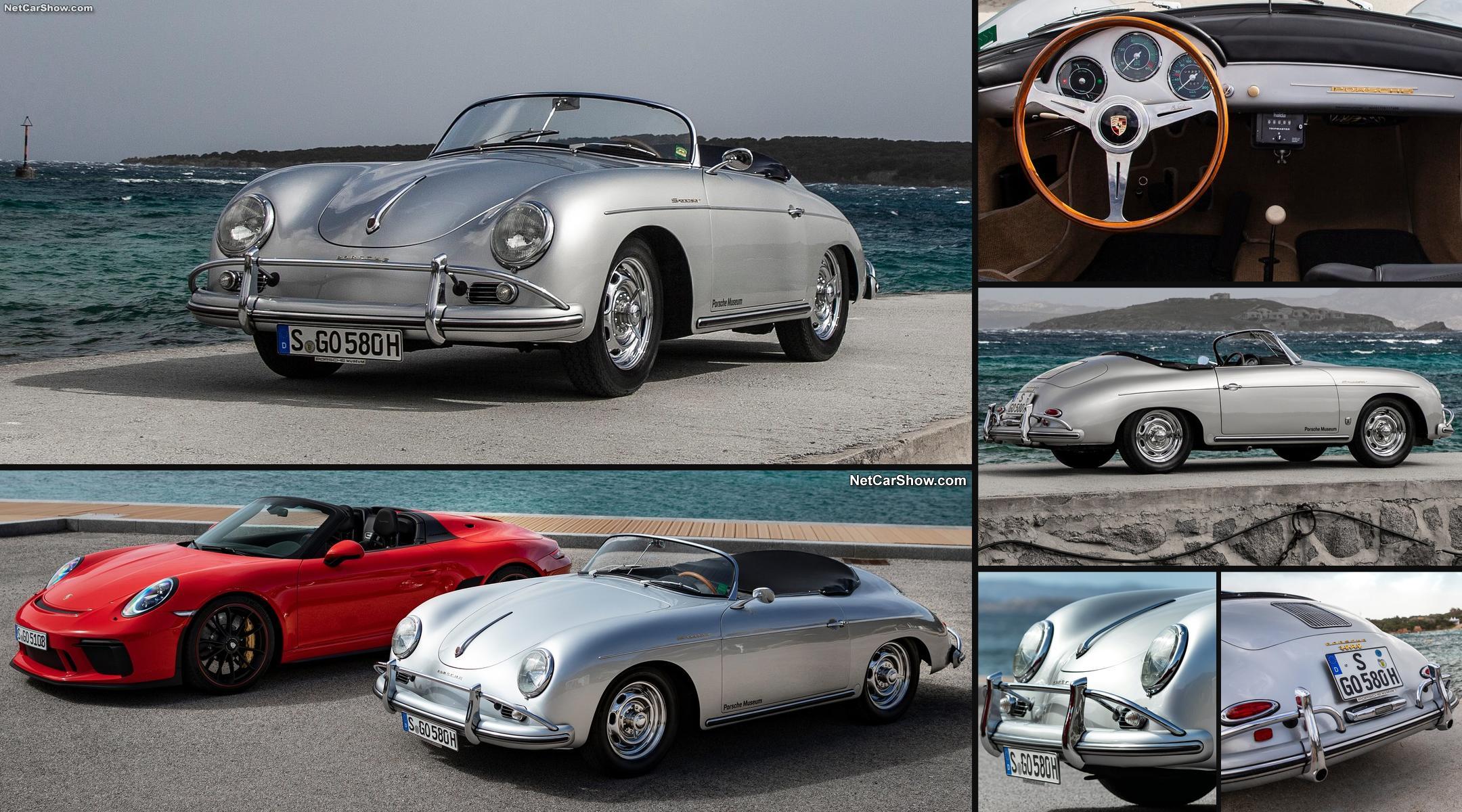
1956 Porsche Speedster
In 1956, the Porsche Speedster is a classic sports car that was Porsche’s resounding entry to American markets. American market. The car was launched in 1956, and was a light-weight design and an 1.6-liter flat-four air-cooled engine that produced around 60 hp. It was renowned for its minimalist but stylish design and design, this 1956 Porsche Speedster quickly became popular particularly in California’s hot climate.
Its performance was characterized by the top speed of around 99 mph, and an acceleration time of around 13.9 seconds from 0-60 miles per hour. The car was created by Erwin Komenda and inspired by U.S. importer Max Hoffman The car was an affordable and driver-focused driving experience. It is now valued greatly by collectors and is the timeless heritage of simple engineering and Porsche’s first sport car heritage.
Table of Contents
Background and History
Origin of the Model
The concept for the 1955 Porsche Speedster originated when Max Hoffman the Porsche’s U.S. importer, requested a simple, low-cost sports car. Porsche created the current 356A model more efficient by removing any unnecessary trim and replacing it with light components. It was introduced in 1956 and became popular especially in California’s warm climate. The car established Porsche’s place in America and established Porsche’s first image of sporty by combining performance, value and a minimalist design to attract eager buyers.
Introduction to Market
The 1956 Porsche Speedster arrived during 1956 as an nimble, easy-going roadster built upon the platform 356A. It was equipped with features like an easy-to-remove windshield and a canvas-topped top, it was a driving-focused experience. The car was created to draw in U.S. buyers seeking performance at a reasonable price It quickly gained popularity. Its basic design, light design, and energetic personality created a cult status and contributed to Porsche’s initial fame in America.
Features of Style and Design
- Erwin Komenda’s design group created the body’s sleek curves and simple chrome trims, which were deliberately light and slender. Each panel was a symbol of the purity and efficiency.
- It had a slim folding windshield that folds down and side curtains, instead of doors that were full or roll-up windows, thus reducing weight and maintaining the racing look.
- Inside the cabin, there were two bucket seats, an uncluttered dashboard that contained only the most basic gauges, and none of the luxury features reflected the Speedster’s dedication to driving the car with focus and simplicity.
Technical Details and Results
1957 Porsche Speedster was powered by an air-cooled rear-mounted flat-four engine that displaced 1.6 milliliters and generating around 60 horsepower. It took around 13.9 seconds to get from 0-60 miles per hour and reached a top velocity of 99 miles per hour. Its weight remained about 1,750 pounds, which increased its responsiveness. It was equipped with a manual four-speed gearbox independent Torsion Bar suspension with hydraulic drum brakes it was a precise vehicle with mechanical simplicity for the time.
Driving Experience & Mechanical Specifications
The suspension and chassis
The Speedster came with a lightweight, compact frame, and independent torsion bar suspensions at both the rear and front. The setup provided a taut handling and agile road sensitivity. The suspension tuning was a boon for road-to-driver feedback which made cornering enjoyable as well as predictable and quick. Even on rough roads it was able to maintain its balance. Speedster was stable and steady which demonstrates Porsche’s commitment to design and engineering for the chassis as well as driver pleasure in a sleek roadster design.
Transmission and Brakes
The car utilized 4 wheel drum brakes that could reduce speed reliably before disc brakes were widely used. Its manual gearbox with four speeds allowed for direct and mechanical shifts that increased driver involvement. The combination of simple brakes and gear-driven mechanisms resulted in the Speedster very mechanical and nimble. These features bolstered the car’s driving spirit by emphasizing control with skill and rewarding involvement, not automated assistance.
Legacy and Collector Value
1957’s Porsche Speedster holds immense value as an early instance of the Porsche’s entrance into the American market that had a broad appeal. Production figures are limited and its popularity due to celebrity connections have increased the status of this collectible. Today preserved, well-maintained Speedsters typically fetch hundreds of thousands and up to more than one million dollars in auctions. The minimalist design and its driving rigor remain influential to modern Porsche vintage models and collectors all over the world.
What Makes the 1956 Porsche Speedster Important?
- Its light construction, reasonable price for sports cars, as well as its the ability to drive created it to be a model for the early Porsche.
- The minimalist style eschewed superfluous amenities for comfort.
- Its influence is still evident in the contemporary interpretations of Porsche’s designs keeping the aesthetic and mechanical simplicity in modern Speedster versions.
- Fans appreciate it for its authenticity in mechanics and pure which makes it an iconic emblem of the art of sports car craftsmanship and minimalist quality.
Conclusion
1957’s Porsche Speedster is a recognizable emblem of the company’s early ingenuity and sporty style. With its light weight construction with a 60-horsepower engine and a driver-focused design it set the bar for performance vehicles that were affordable. The Speedster’s legacy can be seen in contemporary Porsche models and its rarity is why it is sought-after by collectors. The Speedster’s combination of performance, style, and history continues to be awe-inspiring for automobile enthusiasts around the world, and secure its place in the history of automobiles.